WhatsApp:
Chat on WhatsApp 008619112802244
Email:
sales@medfurni.com
The Ultimate Guide to Sourcing and Procuring Commercial Medical Hospital Beds
For facility managers, procurement officers, and dealers, selecting the right medical hospital bed is a critical capital decision impacting patient care, staff efficiency, and operational budget. This guide cuts through the noise, providing a professional framework for evaluating industry standards, leading brands like Drive Medical hospital bed and Stryker medical beds, and key procurement models—from outright purchase to medical beds for rent. Ensure your next investment meets rigorous commercial-grade demands.
Core Specifications and Commercial-Grade Standards for Medical Beds
Beyond basic functionality, institutional beds must adhere to durability, safety, and performance benchmarks. This section breaks down the non-negotiable specifications.
-
Evaluating Frame Construction, Medical Bed Rails, and Mobility (Medical Bed Wheels)
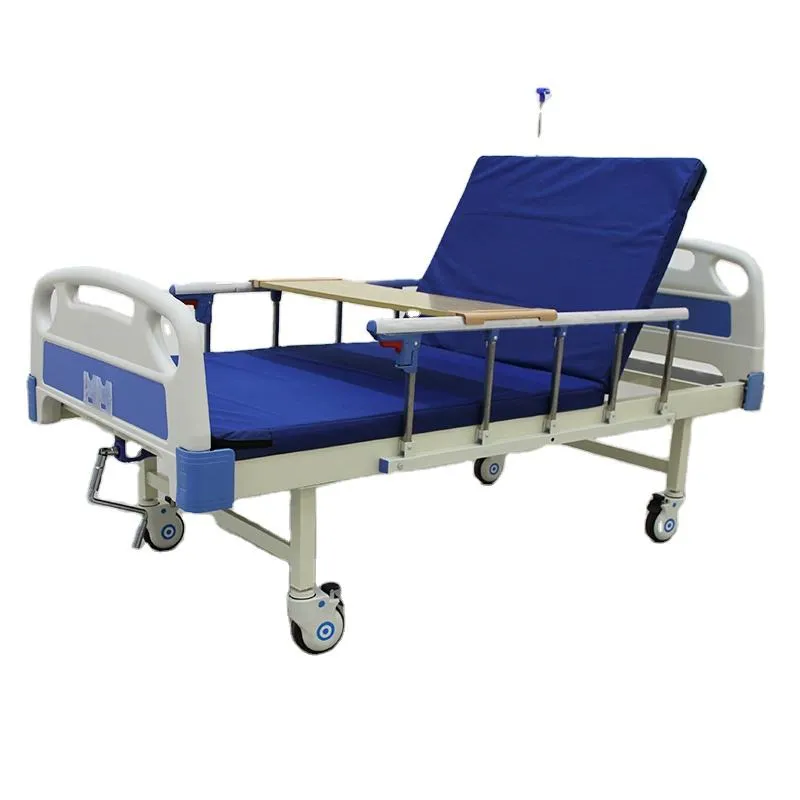
A bed’s longevity is determined by its frame. Look for reinforced steel construction and mechanisms rated for high-cycle use. Medical bed rails must feature secure, one-handed operation and withstand repeated impact. Similarly, locking medical bed wheels (casters) should be designed for easy maneuverability on various flooring while ensuring absolute stability when engaged, a crucial safety feature in fast-paced environments.
-
Understanding Patient Capacity: Bariatric Medical Bed and Standard Sizes
Patient demographics dictate bed capacity. A standard bed may suffice for general use, but a bariatric medical bed is engineered with a wider frame, a higher weight capacity (often 600 lbs or more), and a more powerful motor system. Facilities must assess their population needs to ensure safety and prevent equipment failure. Options typically include single/double bed options, with double models offering more space for patient comfort and care procedures.
Procurement Strategy: Evaluating Brands, Rental, and Local Suppliers
With specifications defined, the next step is sourcing. This involves comparing OEMs, understanding total cost of ownership, and finding reliable local partners.
-
Analyzing Top OEMs: From Invacare Medical Bed to Specialized Brands
The market features tiered manufacturers. Brands like Invacare medical bed and Drive Medical are known for reliability in value-driven segments. Stryker medical beds often represent the premium tier with advanced features and connectivity. Your choice should balance clinical requirements, budget, and long-term service support. Always request industry standards compliance documentation (e.g., IEC 60601-1 for medical electrical equipment).
-
Purchase vs. Lease: Navigating Medical Beds for Sale and Medical Beds for Rent
The financial model significantly impacts your budget. Searching for “medical beds for sale near me” is ideal for long-term needs, offering asset ownership. Conversely, exploring “medical beds for rent” provides flexibility for short-term demands, trial periods, or managing cash flow. For immediate needs, searching “medical beds near me” should yield local suppliers and dealers who can provide rapid delivery, installation, and ongoing service—a critical advantage over distant distributors.
Special Considerations for Senior Care Facilities (Medical Beds for Seniors)
When procuring medical beds for seniors, especially in nursing homes or long-term care, specific features enhance safety and quality of life. These include low height settings to reduce fall risk, intuitive controls, and comfort-focused designs that prevent pressure ulcers. Integration with nurse call systems is also a key commercial requirement.
FAQ for Institutional Buyers and Dealers
-
Q: What are the key differences between a standard medical bed and a king size medical bed?
A: A king size medical bed refers to the sleeping surface width (typically 76 inches), offering superior patient comfort and space for movement, which can be beneficial for bariatric patients or those requiring extensive in-bed care. It requires a correspondingly wider room space and specialized bedding. Standard beds are usually twin or full size, optimizing space efficiency in multi-bed rooms. -
Q: How do I verify if a supplier’s medical beds meet required industry standards?
A: Reputable suppliers like Hengyuan Medical will provide Declarations of Conformity and test reports for relevant standards. Specifically, request documentation for electrical safety (IEC 60601-1), mechanical safety (ISO 80601-2-52 for hospital beds), and durability testing (cycle counts for motors and moving parts). Never assume compliance; always validate. -
Q: Is it more cost-effective to search for “medical beds for sale near me” or to contract with a national distributor?
A: It depends on scale and service needs. Local suppliers (“medical beds near me“) offer faster response times for service and parts, which minimizes equipment downtime. National distributors may provide broader inventory and volume discounts for large, standardized orders. Develop a total cost of ownership model that includes purchase price, expected maintenance, and the operational cost of bed downtime to make an informed decision.
Conclusion & Call to Action
Selecting the right medical hospital bed requires a strategic approach that balances clinical needs, compliance, and fiscal responsibility. By focusing on industry standards, evaluating brands like Stryker medical beds and Invacare medical bed against your specific use case, and choosing the right procurement channel, you can make a confident investment that serves your facility for years to come.
Ready to streamline your procurement process? Contact the specialists at Hengyuan Medical for a detailed commercial quote, product specifications tailored to institutional requirements, and a comprehensive procurement checklist.
WhatsApp:
Chat on WhatsApp 008619112802244
Email:
sales@medfurni.com