WhatsApp:
Chat on WhatsApp 008619112802244
Email:
sales@medfurni.com
The Definitive Guide to Hospital Linen Carts and Laundry Systems for Healthcare Facilities
Efficient linen and laundry management is a cornerstone of hospital operations, directly impacting infection control, staff efficiency, and operational costs. For facility managers, procurement officers, and dealers, selecting the right hospital linen cart system is a strategic decision. This guide provides a professional framework for evaluating linen carts for hospitals, focusing on commercial standards, compliance, and total cost of ownership to inform your next procurement cycle.
Key Specifications and Standards for Commercial Hospital Laundry Carts
Procurement begins with understanding the technical and safety requirements that differentiate commercial-grade equipment from consumer alternatives.
-
Construction and Durability for High-Volume Use
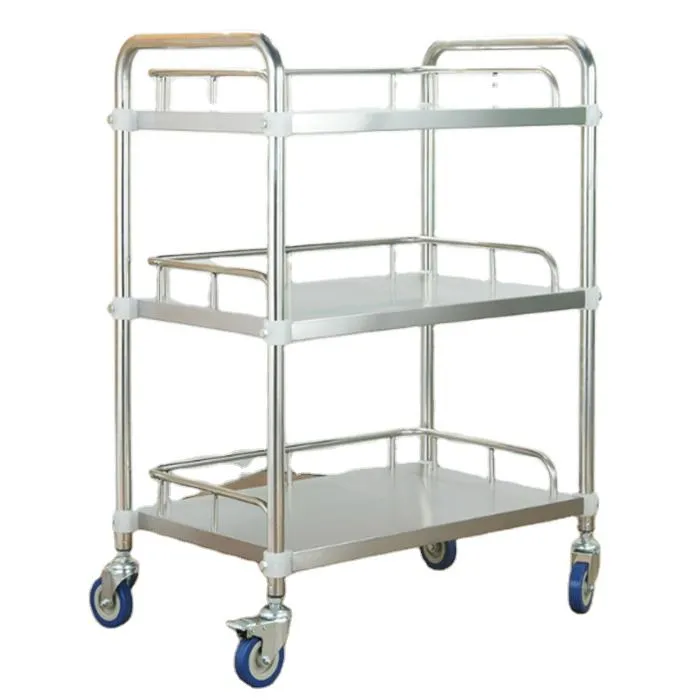
A true hospital linen cart must withstand constant use, heavy loads, and frequent sanitation. Look for carts constructed from high-density polyethylene (HDPE) or powder-coated stainless steel. These materials resist corrosion, cracking, and impact. Assess the weight capacity, wheel durability (with non-marking, floor-friendly casters), and weld integrity. Durability testing data from the manufacturer is a key EEAT signal for long-term value.
-
Infection Control: Clean vs. Soiled Linen Cart Protocols
A critical function is separating clean and contaminated linens. A dedicated soiled linen cart must feature impermeable, lidded containers to contain fluids and pathogens, complying with OSHA and CDC guidelines. Clean linen transports should have secure, breathable covers. Color-coding systems (e.g., red for soiled, white for clean) are an industry standard that minimizes cross-contamination risks in hospital laundry carts operations.
Procurement and Value Analysis for Institutional Linen Trolley Systems
Moving beyond specifications, this section focuses on the procurement process, lifecycle costs, and supplier evaluation to maximize your investment.
-
Creating a Healthcare Procurement Checklist
Your procurement checklist for a linen trolley system should include: compliance with health regulations (e.g., NSF/ANSI standards), customization options (sizes, colors, bins), available accessories (shelf dividers, bag holders), and the supplier’s service level agreement (SLA) for parts and repair. This ensures the linen cart hospital fleet meets exact operational needs.
-
Evaluating Total Cost of Ownership and Supplier Reliability
The lowest upfront cost can lead to higher long-term expenses. Calculate the total cost of ownership by factoring in expected lifespan, maintenance requirements, and replacement part costs. Partner with a nursing home furniture supplier like Hengyuan Medical that demonstrates EEAT through deep industry knowledge, proven commercial-grade product lines, and a track record of supporting hospital linen carts programs for facilities like yours.
FAQ for Institutional Buyers and Dealers
-
Q: What is the primary difference between a standard linen cart and a hospital-grade linen cart?
A: The difference lies in construction, compliance, and intent. Hospital laundry carts are built to commercial-grade standards with materials that withstand rigorous chemical disinfection, support heavier loads, and feature design elements (like sealed seams and specialized casters) mandated for healthcare environments to meet strict industry standards for infection control and safety. -
Q: How many hospital linen carts does our facility typically need, and what configuration is best?
A: This depends on bed count, laundry turnover rate, and facility layout. A common procurement strategy is to maintain a ratio for simultaneous use in collection, transport, and distribution. A hybrid configuration often works best: lidded soiled linen cart units for collection on floors, and open/covered linen carts for hospitals with shelves for clean linen distribution. A detailed needs assessment with your supplier is recommended. -
Q: Why is the choice of casters so important for a linen trolley in a hospital setting?
A: Casters are a critical wear component. In a hospital setting, they must be non-marking to protect floors, swivel smoothly for maneuverability in tight spaces, and be durable enough for constant use. High-quality, commercial-grade casters reduce noise, improve staff ergonomics, and lower long-term maintenance costs, directly affecting the total cost of ownership.
Selecting the optimal linen cart hospital system is an investment in operational hygiene and efficiency. By prioritizing commercial-grade construction, adherence to industry standards, and a clear analysis of lifecycle value, healthcare facilities and dealers can make confident, informed decisions.
WhatsApp:
Chat on WhatsApp 008619112802244
Email:
sales@medfurni.com