WhatsApp:
Chat on WhatsApp 008619112802244
Email:
sales@medfurni.com
The Definitive Guide to Crash Carts: Contents, Compliance, and Procurement for Hospitals
For hospital administrators, facility managers, and clinical procurement officers, the crash cart, also known as a hospital code cart, emergency cart, or resuscitation trolley, is more than a piece of equipment—it’s a critical life-support system. Selecting the right medical crash cart involves understanding complex clinical requirements, durability standards, and supply chain logistics. This guide provides a comprehensive overview of what is a crash cart, details its standardized crash cart contents and crash cart medications, and offers a procurement checklist to ensure your facility’s emergency crash carts meet both clinical and operational demands.
What is a Crash Cart? Definition, Standards, and Hospital Use
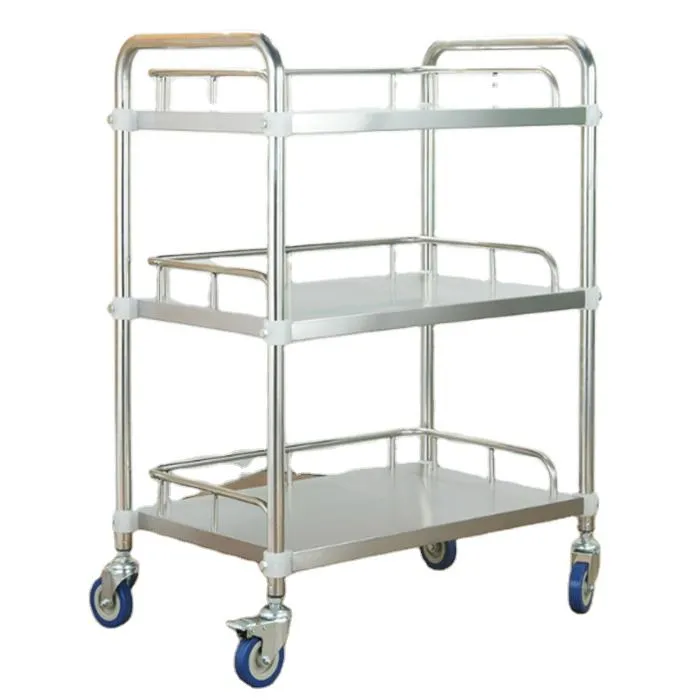
Understanding the crash cart definition is fundamental for any healthcare facility. So, what is a crash cart in a hospital? A crash cart is a mobile crash cart or crash cart trolley specifically designed to store and transport all essential equipment, crash cart drugs, and supplies required for responding to medical emergencies, specifically cardiac arrests (often termed “Code Blue”).
-
Crash Cart Definition and Key Components
The definition of a crash cart centers on its role as an all-in-one emergency cart. Key components defining a medical emergency cart include its mobility, organized crash cart drawers, and predefined crash cart supplies. Whether termed a code cart hospital standard or an ER cart, its purpose is immediate accessibility.
-
Crash Cart vs. Code Cart vs. Emergency Trolley
While the terms crash cart, hospital code cart, emergency code cart, and crash trolley are often used interchangeably, they all refer to the same core piece of medical crash trolley equipment. Regional preferences may dictate the name—resuscitation trolley is common in the UK and Commonwealth countries—but the crash cart meaning and emergency trolley function remain globally consistent.
Standard Crash Cart Contents and Critical Medications
A well-stocked crash cart is defined by its meticulously organized crash cart contents. Institutional buyers must ensure every hospital emergency cart adheres to their facility’s specific protocol and general advanced cardiac life support (ACLS) guidelines.
-
Crash Cart Drawers and Organized Supplies
Modern code cart drawers are systematically organized. Top drawers typically contain first-line crash cart drugs like crash cart epinephrine, atropine, amiodarone, and vasopressors. Lower drawers hold crash cart supplies such as IV access kits, airways, syringes, and gloves. This strict organization in a crash cart trolley saves critical seconds during a hospital code cart response.
-
Essential Crash Cart Medications and Drugs
The specific medications in a crash cart are protocol-driven. Core crash cart medications (crash cart meds) always include epinephrine for cardiac arrest, antiarrhythmics, and emergency electrolytes. Understanding what is on a crash cart in the hospital requires close collaboration with your pharmacy and resuscitation committee to maintain this emergency cart medications list.
Crash Cart Procurement Checklist: Evaluating Quality and Compliance
Procuring hospital crash carts or medical crash carts is a significant investment. Focus on commercial-grade construction, compliance with industry standards, and a supplier’s ability to support your total cost of ownership.
-
Durability, Mobility, and Safety Features
Evaluate the crash cart trolley frame, drawer suspension, and casters. A mobile crash cart must be highly maneuverable yet stable when fully loaded. Durability testing data should be requested from suppliers like Hengyuan Medical to ensure long-term performance in a high-stress environment.
-
Customization and Supplier Checklist
Your emergency cart may need custom configurations for pediatric, veterinary crash cart, or trauma scenarios. A reliable medical crash trolley supplier should offer customizable drawer dividers and layout options. Use a procurement checklist that includes compliance certification, service agreements, and total cost of ownership analysis beyond the initial purchase price.
Specialized Applications: Veterinary and Code Cart Management
The core principles of the crash cart apply beyond human medicine. A veterinary crash cart requires similar organization for crash trolley drugs and equipment tailored to animal patients. Similarly, effective management of a hospital code cart involves regular checks, restocking logs, and staff training to ensure every resus-looking trolley is perpetually ready for use.
FAQ for Institutional Buyers and Dealers
-
Q: What is the difference between a crash cart and a regular hospital med cart?
A: A hospital med cart is typically used for routine medication distribution. A crash cart medical or code cart is a specialized emergency cart containing high-acuity crash cart medicines and resuscitation equipment for immediate life-threatening events. Their crash cart contents are standardized for speed and specific protocols. -
Q: How often should crash cart drawers be checked and restocked?
A: Crash cart drawers and code cart drawers must be checked daily for defibrillator function and sealed drug integrity, with a full contents review and restocking after each use. Formal audits per facility policy (e.g., weekly) are mandatory to ensure all crash cart supplies and emergency cart drugs are present and in-date. -
Q: Can crash cart configurations be customized for different departments like ICU vs. ER?
A: Absolutely. While core crash cart contents are similar, a specialized ER cart might carry more trauma supplies, while an ICU medical crash cart might be tailored for specific patient populations. Leading suppliers offer modular crash trolley designs to meet these specialized needs. -
Q: What key medications are always found in a crash cart?
A: While specific medication in crash cart setups vary, first-line crash cart drugs universally include Epinephrine (for its vasoconstrictive effects in cardiac arrest), Amiodarone or Lidocaine (for arrhythmias), and Atropine (for bradycardia). A crash cart defibrillator is also a non-negotiable component. -
Q: What should we look for in a crash cart supplier for our hospital network?
A: Prioritize suppliers with proven experience in hospital crash carts. They should provide commercial-grade equipment, clear documentation of industry standards compliance, responsive service for crash cart trolley maintenance, and flexibility in configuring crash cart drawers and layouts to match your protocols.
Conclusion & Call to Action
A reliable, well-organized crash cart is a cornerstone of hospital emergency readiness. From understanding the precise crash cart definition to specifying crash cart medications and evaluating the total cost of ownership of a medical crash trolley, informed procurement is critical.
Partner with Hengyuan Medical for commercial-grade crash carts designed to meet the rigorous demands of modern healthcare facilities. Our expertise ensures your hospital emergency carts are compliant, durable, and configured to support your life-saving teams when every second counts. Contact our B2B team today for a customized procurement consultation.
WhatsApp:
Chat on WhatsApp 008619112802244
Email:
sales@medfurni.com