WhatsApp:
Chat on WhatsApp 008619112802244
Email:
sales@medfurni.com
The Ultimate Procurement Checklist for Electric Medical Beds in Healthcare Facilities
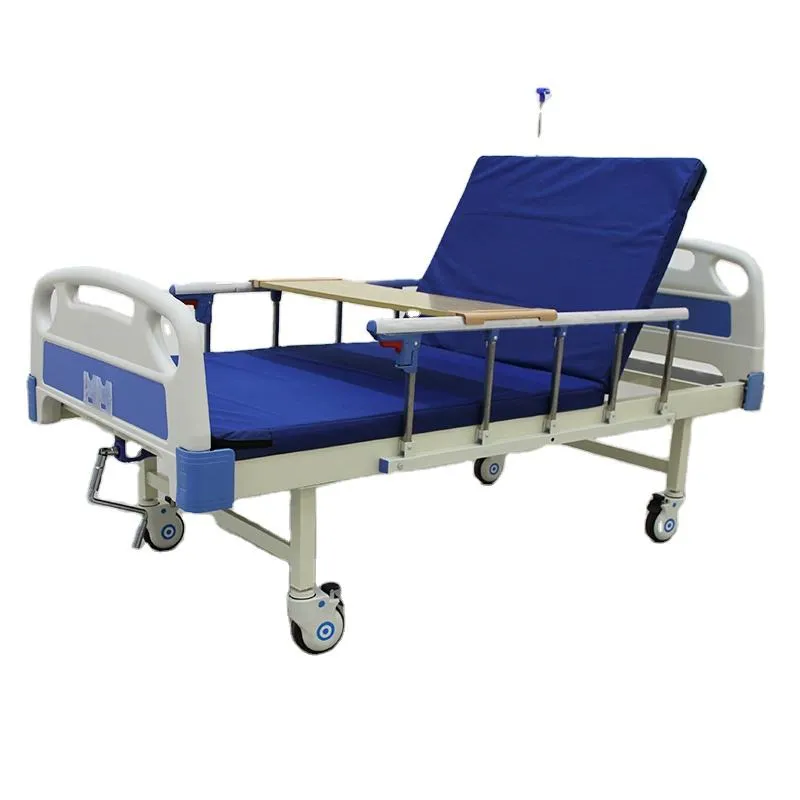
Selecting the right medical bed is a critical capital decision for hospital administrators, nursing home directors, and clinic procurement officers. Beyond mere patient accommodation, the right bed impacts clinical outcomes, staff efficiency, and long-term operational costs. This guide provides a professional procurement checklist to help institutional buyers navigate the market, whether evaluating high-performance models like the Hill Rom medical bed or Paramount medical bed, or considering flexible options like medical bed hire. We focus on commercial-grade specifications, total cost of ownership, and compliance with industry standards.
Core Specifications and Commercial Features of Electric Medical Beds
Modern patient care demands advanced functionality. This section breaks down the essential features that define professional medical bed models.
-
Electric Medical Bed and Remote Control Medical Bed Systems
The transition to electric medical bed systems is a cornerstone of modern ergonomic and safe patient handling. Look for beds with intuitive, multi-position remote control medical bed functions for Trendelenburg, reverse Trendelenburg, and cardiac chair positions. These features not only enhance patient comfort but also reduce caregiver strain and injury risk, directly impacting workforce sustainability and insurance costs.
-
Essential Patient Safety and Mobility Attachments
A basic frame is just the start. Key attachments transform a bed into a complete care station. A medical bed trapeze bar is crucial for patient mobility and rehabilitation. For wound and pressure management, a medical air bed (low-air-loss or alternating pressure mattress system) is often a mandatory clinical requirement. Additionally, a medical bed with commode offers dignified and hygienic solutions for patients with limited mobility, streamlining nursing workflows.
Sourcing Models and Operational Considerations for Institutional Buyers
Your acquisition strategy must align with financial planning and facility needs. Here, we compare ownership versus rental and the critical factors for supplier selection.
-
Evaluating Medical Beds for Sale vs. Medical Bed Hire Programs
For long-term needs and capital expenditure plans, purchasing medical beds for sale offers the lowest lifetime cost and asset ownership. For short-term demands, surge capacity, or trial periods, exploring medical bed hire or medical beds for rent near me provides operational flexibility. A credible supplier like Hengyuan Medical should offer both models, with clear agreements covering maintenance responsibilities during the rental term.
-
The Importance of a Medical Bed Lift and Durability Testing
Never overlook the mechanics that ensure longevity and safety. A robust medical bed lift mechanism (often electro-hydraulic) is the workhorse of the bed. Inquire about its cycle testing data and weight capacity under real-world conditions. Durability testing against commercial-grade standards (e.g., repeated articulation cycles, impact resistance) is non-negotiable for facility furniture that must withstand 24/7 use. This directly correlates with reduced downtime and repair costs.
FAQ for Institutional Buyers and Dealers
-
Q: What are the key differences between a Hill Rom medical bed and a Paramount medical bed that we should consider in our procurement checklist?
A: Both are reputable brands known for industry standards. Key differences often lie in proprietary features, service network depth, and control panel ergonomics. Your procurement checklist should include a side-by-side comparison of warranty terms, service response times, and compatibility with your existing nurse call systems or medical bed trapeze bar attachments. We recommend requesting demo units to evaluate operational workflows firsthand. -
Q: When is a medical air bed or a medical bed with commode a necessary specification versus an optional accessory?
A: A medical air bed is a clinical necessity for patients at high risk of pressure injuries (Braden Scale). It should be specified for ICU, burn units, and long-term care. A medical bed with commode is essential for units caring for non-ambulatory patients, such as geriatrics and post-surgical recovery, to maintain hygiene and dignity. Including these in your core specifications prevents costly after-market additions. -
Q: For a mixed fleet strategy, how do we manage maintenance for beds we own (medical beds for sale) versus those we rent (medical beds for rent near me)?
A: A clear procurement checklist must separate maintenance protocols. For owned assets, establish a preventive maintenance schedule with your supplier. For rental units, the agreement must explicitly state that the provider (e.g., Hengyuan Medical) handles all repairs and parts replacement at no extra cost, ensuring facility uptime. Centralizing both services with one commercial-grade supplier simplifies logistics and accountability.
Conclusion and Call to Action
Investing in the right electric medical bed is an investment in patient care quality and operational efficiency. A disciplined approach using a detailed procurement checklist that covers commercial-grade features, total cost of ownership, and supplier reliability is paramount.
Ready to refine your equipment strategy? Contact the specialists at Hengyuan Medical for a customized consultation, detailed product specifications for Hill Rom and Paramount-compatible models, and flexible medical beds for sale or hire programs tailored to institutional needs.
WhatsApp:
Chat on WhatsApp 008619112802244
Email:
sales@medfurni.com