WhatsApp:
Chat on WhatsApp 008619112802244
Email:
sales@medfurni.com
The Ultimate Guide to Buying Medical Beds for Home Care: A Facility Procurement Perspective
For facility managers, procurement officers, and dealers supplying home healthcare, selecting the right medical beds for home is a critical operational decision. This goes beyond a simple purchase; it’s an investment in patient safety, caregiver efficiency, and long-term value. This comprehensive guide is designed to help institutional buyers navigate the specifications, durability testing, and financial considerations—including the total cost of ownership—to make a strategic, compliant buy medical bed decision.
Core Specifications and Standards for Medical Adjustable Beds
The foundation of a sound procurement strategy lies in understanding the essential components and commercial-grade standards of a medical adjustable bed.
-
Electric Medical Beds for Home: Motor and Control Systems
When evaluating electric medical beds for home, prioritize the motor system’s power, noise level, and safety certifications. Institutional use demands motors that withstand frequent adjustments. Look for beds with dual-motor systems for independent head and leg section control, backed by extensive durability testing logs from the manufacturer.
-
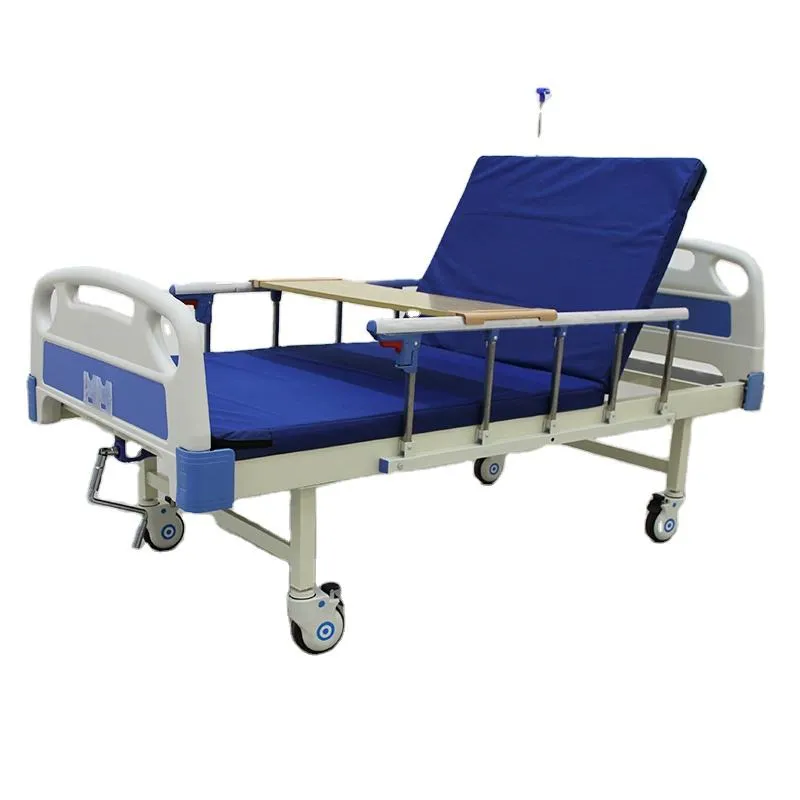
Medical Adjustable Bed Frame and Safety Features
The medical adjustable bed frame must be constructed from high-tensile steel. Key features include integrated bed exit alarms, CPR quick-release mechanisms, and adjustable height ranges to facilitate safe patient transfers and reduce caregiver strain. Compliance with relevant industry standards (like IEC 60601-1 for medical electrical equipment) is non-negotiable for facility procurement.
Critical Components: Medical Bed Mattress and Pressure Management
The medical bed mattress is not an accessory but a core therapeutic component. A low-quality mattress can negate the benefits of an advanced bed frame.
-
Selecting the Right Medical Bed Mattress
Choose mattresses specifically designed for the medical beds for home use you are procuring. Options include alternating pressure mattresses, low-air-loss, and high-density foam. The selection should be based on the patient population’s risk assessment for pressure injuries.
-
The Role of Medical Sheepskin for Bedsores Prevention
While advanced mattresses are primary, medical sheepskin for bedsores prevention is a valuable adjunctive therapy. For your procurement checklist, specify high-quality, washable medical sheepskin pads that can be used alongside your medical bed mattress to provide additional shear reduction and microclimate control for high-risk patients.
Procurement and Value Analysis: From Price to Total Cost of Ownership
Understanding medical bed for home price is just the beginning. A professional procurement process focuses on long-term value and lifecycle costs.
-
Evaluating Medical Beds for Sale: Beyond the Initial Quote
When reviewing medical beds for sale, develop a procurement checklist that includes warranty terms (parts and labor), availability of service contracts, and lead times for replacement parts. The cheapest upfront medical bed for home price often leads to higher costs in maintenance and downtime.
-
Calculating the True Total Cost of Ownership
Total cost of ownership (TCO) is the key metric for institutional buyers. Calculate TCO by adding the purchase price, projected maintenance costs over 5-7 years, energy consumption of the electric medical beds for home, and potential costs associated with caregiver injury or patient complications due to equipment failure. A bed with a higher initial cost but proven durability testing and a comprehensive warranty typically offers a lower TCO.
FAQ for Institutional Buyers and Dealers
-
Q: What are the most important durability testing certifications we should ask for when looking to buy medical bed frames?
-
A: Request documentation for cyclic load testing (mimicking years of adjustments), stability testing, and motor lifecycle testing. Certifications from recognized bodies (e.g., ISO, TÜV) related to medical device and furniture industry standards provide objective proof of commercial-grade construction.
-
-
Q: How do we justify a higher initial medical bed for home price to our stakeholders?
-
A: Present a total cost of ownership analysis. Frame the investment around risk mitigation (reduced liability from falls/pressure injuries), operational efficiency (faster, safer patient handling), and long-term asset reliability. Highlight how features like a robust medical adjustable bed frame and quality medical bed mattress reduce replacement frequency and associated costs.
-
-
Q: Can the same medical beds for home use be deployed across different care settings (e.g., palliative care vs. rehabilitation)?
-
A: While a core medical adjustable bed platform may be standardized, specific accessories and medical bed mattress types should be matched to the clinical need. A modular system from a reliable supplier like Hengyuan Medical allows for configuration flexibility, enabling you to tailor the bed to specific patient needs while maintaining fleet consistency for easier maintenance and training.
-
Conclusion and Call to Action
Selecting medical beds for home care provision is a strategic decision that impacts clinical outcomes, operational budgets, and caregiver well-being. By focusing on commercial-grade specifications, validated durability testing, and a comprehensive total cost of ownership model, institutional buyers can move beyond a simple medical beds for sale listing to make a value-driven, informed procurement decision.
Ready to specify the right medical beds for your facility or dealer network? Contact Hengyuan Medical today for detailed product specifications, third-party test reports, and a customized procurement checklist to guide your next tender.
WhatsApp:
Chat on WhatsApp 008619112802244
Email:
sales@medfurni.com